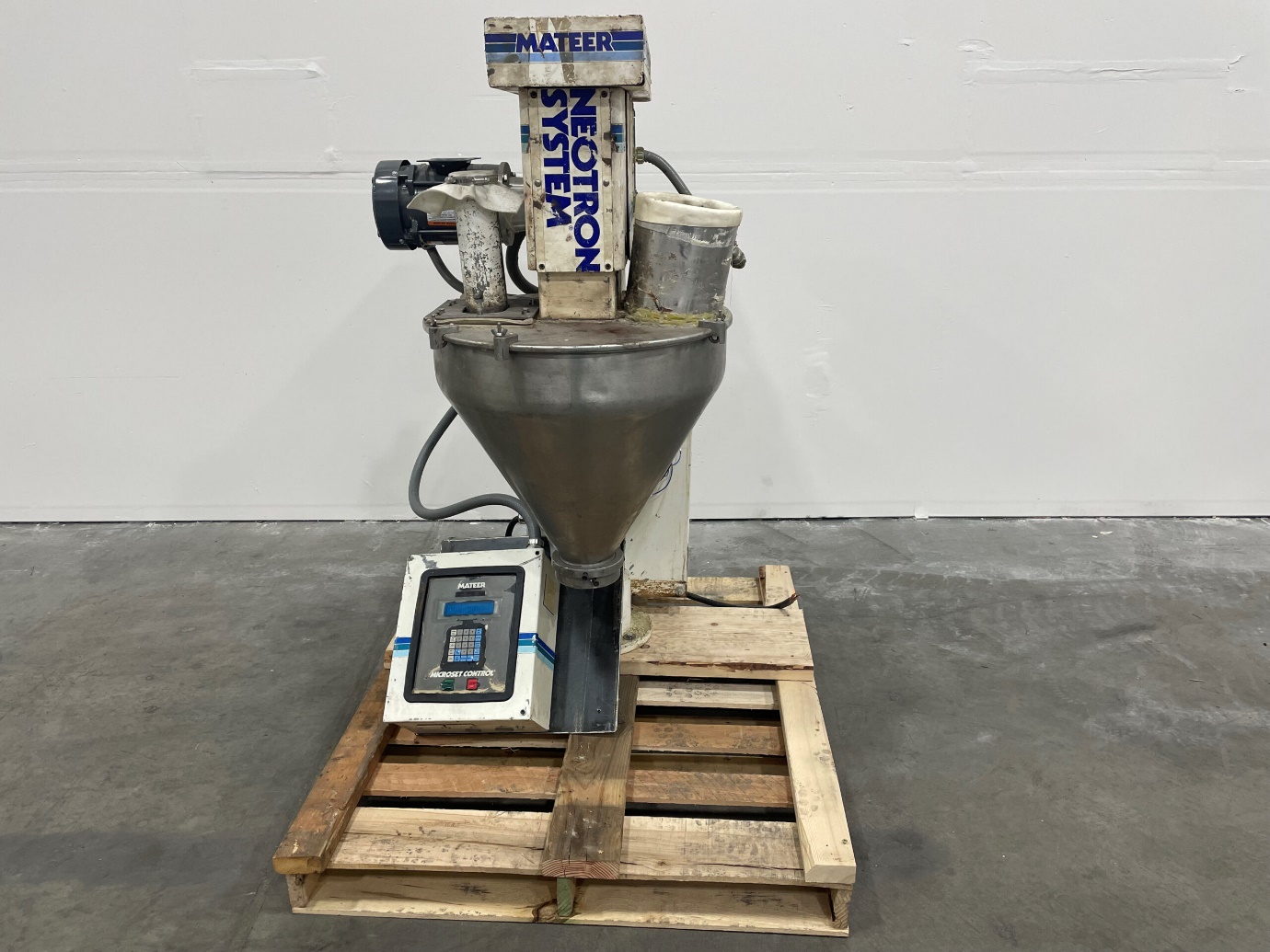
Production facilities increasingly rely on accurate dispensing systems as packaging standards continue rising across fast-growing industries. Many operations struggle with inconsistent measurements when older machinery cannot maintain stable performance under pressure. This shift pushes manufacturers toward more dependable technology. This article highlights the critical role of modern filling systems and explains why precision equipment shapes the efficiency, accuracy, and reliability of large-scale packaging environments handling varied materials daily.
Automation Elevates Packaging Accuracy
Automated filling systems play an important role in stabilizing output and reducing unwanted variations across demanding processes. Many industries depend on reliable machinery capable of managing complicated product textures without sacrificing speed. In mid-level discussions about automation benefits, upgraded auger fillers often stand out, while streamlined rotary fillers are frequently highlighted for their ability to maintain consistent performance throughout multiple stages of fast-moving production cycles.
Precision Supports Product Consistency
Accurate filling methods reduce waste, improve distribution, and protect product quality during intensive manufacturing operations. Many facilities prefer systems that maintain long-term reliability while minimizing measurement fluctuations. Technical evaluations often focus on the mid-point where auger fillers deliver predictable dosing accuracy, and performance-oriented rotary fillers contribute to smoother handling processes that reduce manual adjustments and strengthen overall product consistency during high-demand production requirements.
Efficiency Drives Operational Stability
Stable operations depend on equipment capable of handling continuous workloads without compromising accuracy. Automated solutions help facilities meet delivery expectations by maintaining smooth transitions between batches. Experts frequently analyze the mid-section of overall performance data showing how auger fillers enhance process efficiency, while advanced rotary fillers improve line stability by supporting uniform filling actions that reduce stoppages, delays, and disruptive inconsistencies in modern manufacturing environments.
Speed Strengthens Production Capacity
Fast-paced packaging lines require machines that deliver rapid, uninterrupted output across diverse material types. Many industries prioritize systems that keep production moving without unnecessary downtime. Mid illustrations in performance reports highlight auger fillers for their reliable speed advantages, and highly engineered rotary fillers strengthen capacity by delivering accelerated filling cycles that support competitive production requirements where timing and quick response remain essential to operational success.
Technology Reduces Manual Dependence
Modern filling technology lowers labor intensity by minimizing repetitive tasks and reducing the risk of human error during long work shifts. Smart control features help maintain accurate measurements while easing operator strain. In mid-level technical insights, professionals often credit auger fillers with improving workflow independence, while efficient rotary fillers complement automation by creating smoother, more controlled filling processes that reduce fatigue-related issues in continuous industrial setups.
Conclusion
Efficient packaging environments rely on machines that align smoothly with other systems to maintain consistent productivity. Proper integration ensures that materials move correctly through each stage without interruptions. Mid-level optimization examples frequently reference auger fillers for creating dependable packaging flow, while powerful rotary fillers strengthen workflow structure by improving synchronization across interconnected machinery responsible for handling sensitive products in large-scale manufacturing facilities.