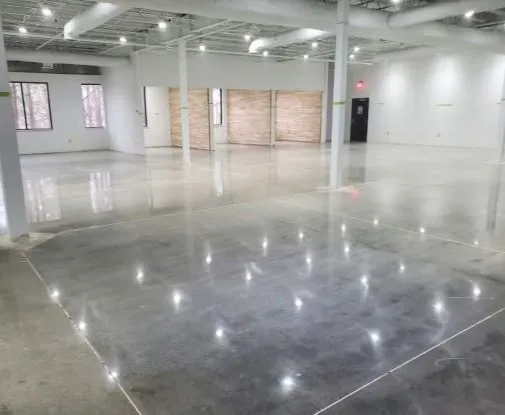
Commercial flooring faces challenges that homeowners rarely encounter. Customers walk across the same areas throughout the day, employees move equipment between rooms, and cleaning schedules must fit around business operations. These demands have encouraged property managers to reconsider traditional flooring materials. Through professional concrete polishing, an existing concrete slab can become a finished surface suitable for many busy interiors. The approach appeals to businesses interested in durability, straightforward maintenance, and a contemporary appearance without necessarily installing an entirely new floor covering.
Flooring Decisions Affect Daily Operations
A retail store needs flooring that remains presentable despite constant foot traffic. Warehouses may experience movement from carts and industrial equipment, while offices require surfaces that complement their interiors. Each environment places different demands on the floor.
Choosing flooring without considering these conditions can create unnecessary maintenance expenses. Property managers should assess traffic patterns, cleaning requirements, moisture exposure, and the existing substrate before deciding which flooring material provides the most practical solution.
Making Better Use of Existing Concrete
Many commercial buildings already contain concrete slabs beneath carpet, tile, or other finishes. Instead of covering the concrete with additional material, mechanical grinding and polishing can refine the existing surface into a usable finished floor.
The process typically involves removing unsuitable surface materials, repairing imperfections where practical, and progressively grinding the slab with specialized equipment. A concrete densifier is commonly applied to harden the surface, followed by additional polishing stages that produce the desired appearance.
How Appearance Influences Business Spaces
Commercial interiors contribute to the impression customers form when entering a building. Clean, consistent flooring can support an organized atmosphere, particularly in showrooms, studios, retail spaces, and reception areas.
One advantage of polished concrete is the variety of finishes available. Matte surfaces create a more restrained appearance, while satin and higher-gloss finishes provide increasing levels of reflectivity. Visible aggregate and natural variations in the slab can also become part of the design.
Maintenance Requirements Deserve Attention
A flooring material’s purchase price tells only part of its financial story. Cleaning labor, protective treatments, repairs, and eventual replacement can influence the total cost over several years.
Polished surfaces generally require regular dust removal and damp cleaning with appropriate products. Because mechanically polished concrete does not depend on a conventional decorative film coating, it avoids certain peeling problems associated with topical systems. However, spills should still be addressed promptly, and protective treatments may require maintenance.
Where Polished Concrete Makes Sense
Commercial properties differ significantly in how they use their floors. Before selecting a finish, it helps to consider the specific demands of each environment:
-
Retail stores: Consistent surfaces and straightforward cleaning support daily customer traffic.
-
Warehouses: Properly finished concrete can accommodate demanding operations when the underlying slab is suitable.
-
Offices: Matte or satin finishes can complement modern interior designs.
-
Showrooms: Refined concrete offers a clean backdrop for displayed merchandise.
-
Restaurants: Surface texture, cleaning requirements, and spill exposure need careful consideration.
These applications demonstrate the material’s versatility, but professional evaluation remains essential. Heavy loading, chemical exposure, and wet conditions may call for additional treatments or alternative flooring systems.
The Importance of Slab Assessment
Not every concrete floor is ready for polishing. Significant structural damage, severe unevenness, or extensive contamination may limit the results achievable through surface refinement. Existing adhesives and coatings can also increase preparation requirements.
Before work begins, contractors should evaluate cracks, surface hardness, moisture conditions, and previous repairs. These findings help establish a realistic scope and determine whether the desired finish can be achieved without extensive reconstruction.
Comparing Long-Term Costs
Polished floors may offer cost advantages when an existing concrete slab is in good condition. Reusing the slab can reduce the need for additional flooring materials, while routine cleaning requirements may be simpler than those associated with certain traditional finishes.
Nevertheless, project costs vary. Removing old flooring, repairing damage, achieving a particular aggregate exposure, and scheduling work around business hours can affect the final estimate. Comparing several suitable systems provides a clearer picture than focusing exclusively on initial installation costs.
Conclusion
Selecting commercial flooring requires an understanding of how the space operates, not simply how it should look on opening day. A carefully evaluated concrete slab can offer opportunities to improve durability, simplify routine cleaning, and create an attractive interior. Businesses should consider traffic levels, existing floor conditions, safety requirements, and long-term maintenance before committing to an installation. For commercial property owners researching concrete floor finishing in the Atlanta area, atlantaflooring.io provides information about available polishing services. Thoughtful planning helps ensure the selected surface supports both the building’s appearance and its everyday operational needs.