Choosing the right rug can dramatically influence the appearance and atmosphere of a room. From color and texture to pattern and size, every detail contributes to the overall design. One of the biggest decisions homeowners face is whether to choose a traditional rug or a modern design. Both styles have unique characteristics, and selecting the right one depends on your décor preferences, lifestyle, and the look you want to achieve.
When exploring traditional rug options, many homeowners consider Karastan rugs because of their reputation for timeless patterns, detailed craftsmanship, and classic design appeal. Understanding the differences between traditional and modern styles can help you find a rug that complements your space while enhancing its overall character.
What Defines a Traditional Rug?
Traditional rugs are inspired by historical designs that have remained popular for generations. These rugs often feature intricate details, decorative borders, floral motifs, and symmetrical patterns that create a sense of elegance and sophistication.
Traditional rugs are known for:
- Rich colors such as burgundy, navy, gold, and ivory
- Detailed floral and medallion patterns
- Formal and timeless aesthetics
- Strong visual presence within a room
- Versatility in classic interiors
Because of their enduring appeal, traditional rugs work particularly well in spaces that feature antique furniture, decorative moldings, or classic architectural elements.
They can also add warmth and character to newer homes by introducing a sense of history and refinement.
Understanding Modern Rug Styles
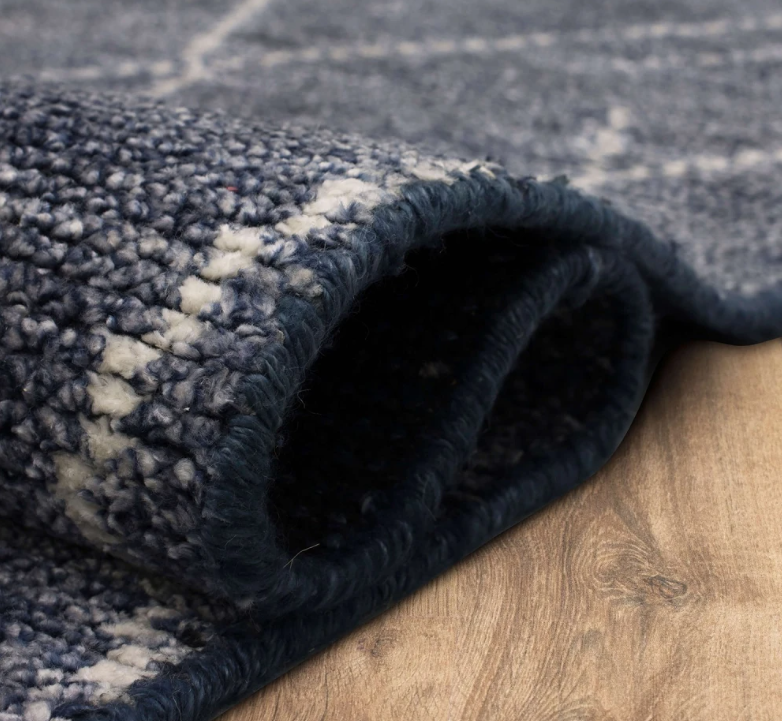
Modern rugs focus on simplicity, creativity, and contemporary design trends. Rather than relying on traditional motifs, they often incorporate geometric patterns, abstract artwork, textured surfaces, and clean lines.
Characteristics of modern rugs include:
- Minimalist aesthetics
- Geometric or abstract designs
- Neutral and contemporary color palettes
- Simple yet impactful visual appeal
- Adaptability to various interior styles
Modern rugs are popular because they help create open, uncluttered environments while still adding visual interest. Their flexibility makes them suitable for apartments, contemporary homes, and modern office spaces.
Matching Rug Styles to Your Interior Design
The style of your home should influence your rug selection. While there are no strict decorating rules, certain rug styles naturally complement specific interiors.
Traditional rugs often pair well with:
- Classic wood furniture
- Formal dining rooms
- Traditional architectural details
- Rich color palettes
- Elegant décor elements
Modern rugs typically complement:
- Contemporary furniture
- Open-concept layouts
- Minimalist interiors
- Neutral color schemes
- Modern decorative accents
Understanding the overall aesthetic of your space can help narrow your options and make the decision process easier.
The Growing Trend of Mixing Styles
Today’s interior designers often blend traditional and modern elements to create more personalized spaces. This approach prevents rooms from feeling overly formal or overly minimalist.
For example:
- A traditional rug can add warmth to a contemporary living room.
- A modern rug can refresh a space filled with classic furniture.
- Neutral modern furnishings can balance an ornate traditional rug.
- Vintage-inspired pieces can add character to minimalist interiors.
Mixing styles thoughtfully allows homeowners to create interiors that feel unique while maintaining visual harmony.
How Color Influences the Final Look
Color plays an important role in determining whether a rug feels traditional or modern. Traditional rugs typically feature layered color combinations and deeper tones, while modern rugs often use simplified palettes and cleaner contrasts.
When selecting a rug, consider:
- Existing wall colors
- Furniture finishes
- Decorative accessories
- Natural lighting
- Room size
Lighter colors can make a room feel more spacious, while darker tones often create a cozy and intimate atmosphere.
The goal is to choose a rug that supports the overall design rather than competing with it.
Modern Design Options for Contemporary Homes
As contemporary interiors continue to gain popularity, homeowners are increasingly looking for rugs that reflect current design trends. Collections such as Loloi rugs are often recognized for their modern aesthetics, versatile patterns, and ability to complement a wide range of contemporary living spaces.
These types of designs can work particularly well in homes that emphasize clean lines, open layouts and understated elegance. By incorporating modern textures and patterns, homeowners can add visual interest without overwhelming the room.
Tips for Making the Right Choice
Before purchasing a rug, keep these practical tips in mind:
- Consider the room’s primary function.
- Evaluate your existing décor and furniture.
- Select a size that fits the space properly.
- Prioritize quality and durability.
- Think about long-term maintenance requirements.
- Choose a style that reflects your personal taste.
Taking the time to assess these factors can help ensure that your rug remains a valuable part of your home for years to come.
Conclusion
Traditional and modern rugs each offer distinct advantages, making neither style inherently better than the other. Traditional rugs bring timeless beauty, rich details, and classic elegance, while modern rugs offer clean aesthetics and contemporary versatility. The best choice ultimately depends on your home’s design, personal preferences, and the atmosphere you want to create. By understanding the strengths of each style, homeowners can confidently select a rug that enhances their interior and creates a welcoming, well-balanced living space.