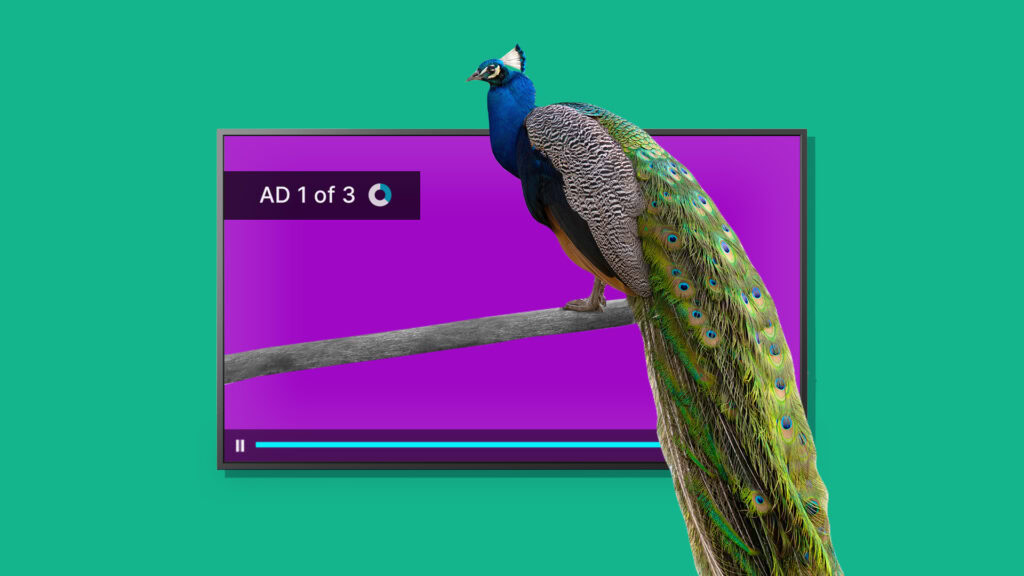
Peacock, NBCUniversal’s streaming service, has carved out a distinctive space in the crowded direct-to-consumer entertainment landscape since its 2020 launch. With a mix of blockbuster movies, beloved television series, live sports, and original programming, it attracts millions of subscribers seeking both premium content and value-driven options. Yet one question consistently arises among potential and current users: Does Peacock have ads? The answer is nuanced, reflecting the platform’s tiered subscription model designed to balance accessibility with revenue generation. For viewers weighing their entertainment budgets and for advertisers evaluating placement opportunities, understanding Peacock’s advertising ecosystem is essential to making informed decisions in an era where streaming has fundamentally reshaped media consumption.
The Tiered Structure Shaping Ad Experiences
Peacock operates on a multi-tiered subscription framework that directly influences the presence and intensity of advertisements. At its most basic level, the platform offers a free tier with limited content access, where commercials are an integral part of the viewing experience. This ad-supported entry point allows users to sample a selection of shows and movies without any upfront cost, though interruptions occur at regular intervals similar to traditional broadcast television.
Moving up the ladder, the Premium tier introduces a reduction in ad frequency, providing a more streamlined viewing session while still incorporating commercial breaks. Subscribers at this level benefit from broader content availability, including additional live channels and on-demand titles, making it an appealing middle ground for those who want enhanced access without committing to a fully ad-free environment.
For viewers prioritizing uninterrupted immersion, the Premium Plus tier stands out by eliminating advertisements entirely during on-demand content. This top-tier option ensures a seamless playback experience, appealing particularly to audiences engaged with longer-form programming or those sensitive to disruptions. However, even here, certain live events and sports broadcasts may retain limited advertising, acknowledging the unique economics of real-time transmissions. This tiered approach demonstrates Peacock’s strategic flexibility, catering to diverse consumer preferences while optimizing revenue streams from both subscriptions and ad sales.
Viewer Perspectives on Advertisement Integration
From the viewpoint of everyday subscribers, the presence of ads on Peacock represents a trade-off between cost savings and viewing convenience. Many appreciate the free tier as an accessible gateway, especially for families or individuals testing the service before committing financially. Yet repeated commercial interruptions can test patience, particularly during binge-watching sessions or when enjoying high-stakes dramatic narratives where momentum is key.
Data from industry analyses suggests that ad tolerance varies significantly across demographics. Younger viewers, often more accustomed to digital-native platforms, may exhibit greater acceptance of shorter, targeted ads, viewing them as a fair exchange for complimentary content. In contrast, older audiences or those with premium expectations frequently migrate toward ad-free tiers to preserve the cinematic quality of their entertainment. This dynamic highlights a broader evolution in viewer behavior, where personalization and control increasingly dictate satisfaction levels.
Moreover, Peacock has invested in refining its ad delivery mechanisms to minimize frustration. Advances in dynamic ad insertion allow for contextually relevant commercials that align with the content being watched, potentially enhancing rather than detracting from the overall experience. For instance, a viewer immersed in a crime drama might encounter promotions for related thrillers or investigative podcasts, creating a sense of cohesion rather than abrupt disruption. Such innovations underscore the platform’s commitment to evolving alongside audience expectations, fostering loyalty even amid advertising elements.
Opportunities and Considerations for Advertisers
For brands and marketing professionals, Peacock’s advertising model presents compelling avenues for audience engagement in a fragmented media environment. The platform’s expansive reach—spanning millions of active users—offers advertisers access to a diverse demographic profile, including sports enthusiasts drawn to live events like Premier League soccer and Olympic coverage, as well as fans of NBC’s flagship series and Universal Pictures releases.
One notable advantage lies in the precision targeting capabilities afforded by streaming technology. Unlike traditional linear television, Peacock enables advertisers to deliver messages based on viewing habits, geographic location, and inferred interests, resulting in higher relevance and potentially improved return on investment. This data-driven approach has proven particularly effective for categories such as automotive, consumer packaged goods, and entertainment cross-promotions, where alignment with specific content verticals can amplify impact.
However, advertisers must navigate certain nuances inherent to Peacock’s structure. Ad loads differ across tiers, meaning campaigns on the free or Premium plans reach broader but potentially less engaged audiences, while Premium Plus users—though fewer in number—represent a high-value segment less exposed to competing messages. Additionally, the integration of ads during live sports introduces both opportunities and challenges; while these broadcasts command significant viewership, they also compete with in-stadium signage and broadcast partner integrations.
Strategic planners should also consider Peacock’s emphasis on original programming and exclusive content deals. Partnerships that tie advertisements to marquee events or series premieres can generate buzz and cultural relevance, positioning brands as part of the conversation rather than mere interruptions. As the streaming wars intensify, platforms like Peacock continue to refine metrics for ad effectiveness, incorporating view-through rates, completion percentages, and engagement signals that go beyond simple impressions.
Evolving Strategies in a Competitive Streaming Landscape
Peacock’s ad strategy does not exist in isolation but reflects larger industry trends toward hybrid monetization models. As competitors such as Netflix experiment with their own ad-supported tiers and Disney+ expands its advertising footprint, Peacock’s positioning emphasizes value differentiation through its NBCUniversal heritage. This includes seamless integration with cable bundles for existing subscribers, offering discounted access that bundles linear and streaming experiences.
Looking ahead, technological advancements in artificial intelligence and machine learning are poised to further personalize ad experiences on the platform. Predictive analytics could enable even more sophisticated matching of commercials to viewer moods or content genres, reducing ad fatigue while boosting conversion potential. For viewers, this might translate to fewer but more meaningful interruptions; for advertisers, it promises enhanced performance in an increasingly skeptical marketplace.
Regulatory considerations also play a role, with ongoing discussions around data privacy and advertising standards influencing how platforms collect and utilize viewer information. Advertisers attuned to these developments can position themselves proactively, ensuring compliance while capitalizing on ethical targeting practices that build long-term trust.
Navigating Choices for Sustainable Engagement
Ultimately, whether Peacock’s advertisements enhance or hinder the viewing journey depends on individual priorities and strategic objectives. Viewers seeking affordability may embrace the ad-supported tiers as practical solutions, while those valuing purity of experience will likely opt for premium ad-free access. Advertisers, meanwhile, stand to gain from the platform’s robust infrastructure and engaged user base, provided they approach campaigns with creativity and precision.
As streaming continues to dominate entertainment consumption, Peacock’s balanced approach to ads serves as a microcosm of the industry’s maturation. It invites all stakeholders—viewers and brands alike—to evaluate not just immediate costs or exposures, but the long-term value derived from thoughtful integration of commerce and content. By staying attuned to these dynamics, both parties can foster more satisfying, effective relationships within the evolving media ecosystem.